
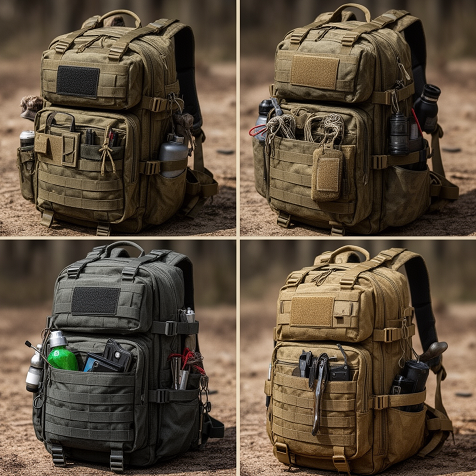
BEST CAMPING BACKPACK FOR SURVIVAL PREPPERS
Affiliate disclaimer: The following is a post which I wrote in order to share my knowledge on the above topic. If you you find it insightful and click on links from the content below and make a purchase, I will be acknowledged.
3 Critical Tips to Choose the Best Camping Backpack for Survival Preppers
You're out in the backcountry. Miles from help. The weather is turning. And the one thing standing between you and disaster is what's on your back.
Most people don't think about their backpack until it's too late — until the straps are cutting into their shoulders, their hips are screaming in pain, and heir gear is soaked because the pack wasn't weather-sealed. One seasoned trekker who hiked the Appalachians learned that lesson the brutal way. He came home broken and bleeding — not from the trail, but from a poorly chosen backpack that transferred all the weight directly onto his spine and hips. A decade later, he made the right choice, and that same trail became one of the best experiences of his life.
Your backpack is not just a bag. For a prepper, it is your lifeline — your mobile survival system. It carries your food, your water, your shelter, your first aid, and your tools. Get it wrong, and you're not just uncomfortable. You're vulnerable. And in a real emergency, vulnerable can mean something far worse than a bad camping trip.
Here is what you need to know to get it right.

Tip 1: Know Exactly What You're Carrying
— Before You Buy
The single biggest mistake preppers make is buying a backpack before they've inventoried their gear. Your pack's size and structure must match your actual load — not a guessed one.
Start by laying out everything you'd bring on your longest planned trip or bug-out scenario. Think water filtration, emergency food rations, a first aid kit, a fire-starting kit, navigation tools, a fixed-blade knife, extra clothing layers, and communication devices. That full picture determines the volume — measured in liters — that you actually need.
A day hike might need a 20–30 liter pack. A 72-hour bug-out bag typically requires 40–60 liters. A full wilderness survival setup can demand 65–80 liters or more. Don't guess. Measure. Then speak to a knowledgeable outdoor gear specialist — or use the affiliate product links below — to match your load to the right pack before you're ever in the field.
Pro Prepper Tip: Build your bug-out kit first. Then find the pack that fits it. Never do it the other way around.
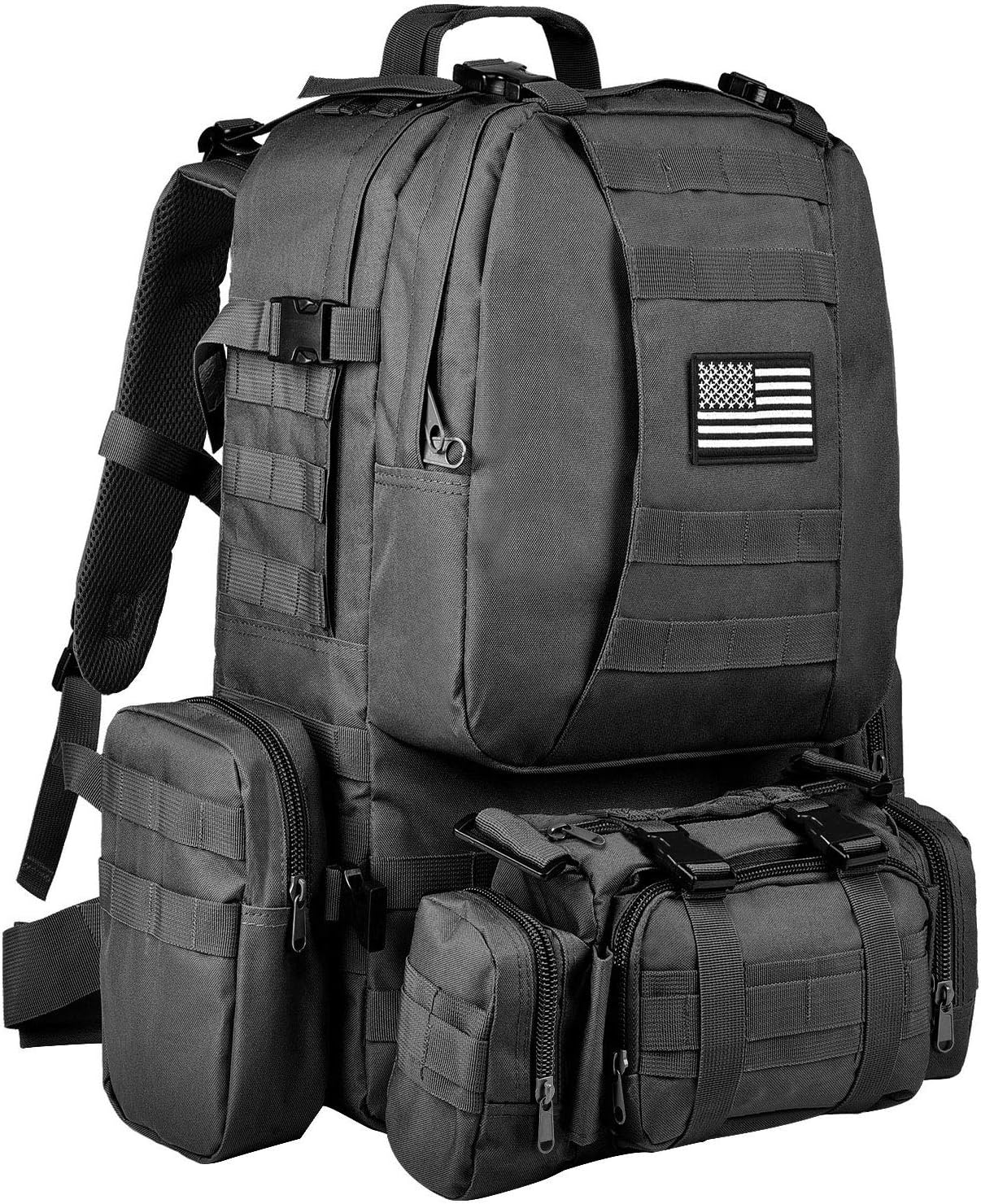
Tip 2: Comfort Is Not a Luxury
— It's a Survival Requirement
Comfort in a backpack is not about convenience. It is about your ability to keep moving when everything depends on it.A well-engineered survival pack distributes weight intelligently: approximately 30% of the load goes through the shoulder straps, and the remaining 70% transfers to your hip belt. That single design principle is what separates a pack that destroys your body after 3 miles from one that lets you cover 15 miles and still have the energy to set up camp.When testing any pack, load it with weight — most reputable outdoor stores provide sand weights for this — and do the following checks: Shoulder straps should sit snugly without digging into your collarbone or creating pressure points. They should curve naturally around your shoulders and allow full arm movement.
The sternum strap, positioned just below your collarbone, stabilizes the load and prevents lateral sway while you move. This is especially critical on uneven terrain.
The hip belt should wrap firmly around your hip bones — not your waist — and must not restrict your breathing or interfere with your stride. If it's too tight or too wide, walk away from that pack.Move around the store. Climb a few steps. Squat. Turn side to side. If the pack fights your movement, it will fight you on the trail — and lose you the energy you can't afford to waste.
Ready to find the perfect survival backpack without the guesswork? Check out our hand-picked, field-tested recommendations below. These are the packs serious preppers trust. (affiliate link placement)

Tip 3: Internal vs. External Frame
— Choose the One That Matches Your Mission
This is where many preppers get confused, and making the wrong call here can cost you both comfort and mobility.
Internal frame backpacks sit closer to your body and shift with your movement. They are ideal for off-trail navigation, dense terrain, steep climbs, and technical bushcraft scenarios where agility matters. They load a bit more deliberately, but once packed correctly, they perform exceptionally well under stress. If you're a serious prepper who trains and moves through challenging terrain, an internal frame is almost always the better long-term investment.
External frame backpacks are more forgiving to pack, offer better airflow against your back in heat, and are excellent for carrying heavier, bulkier loads on established trails. They are a solid starting point for newer preppers or for use cases where straight-line hiking on predictable terrain is the goal.
Neither is universally superior. The right choice depends entirely on your specific mission profile, your terrain, and your physical conditioning.

25L Backpack for Family. CLick here for more!
Bonus: Don't Overlook the Details That Save You in the Field
Before you finalize your purchase, ask these questions:
Is it weather-resistant or waterproof? In a genuine emergency, rain doesn't stop because you're not ready for it. Your gear must stay dry.
Does it have MOLLE webbing or external attachment points? The ability to clip on pouches, hydration systems, or tool holsters dramatically extends your pack's functionality without increasing internal bulk.
Can it accommodate a hydration bladder? Staying hydrated while on the move — without stopping to dig through your pack — is a legitimate tactical and survival advantage.
The details that seem minor in a store become decisive out in the field.
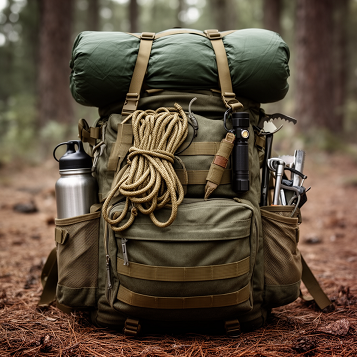
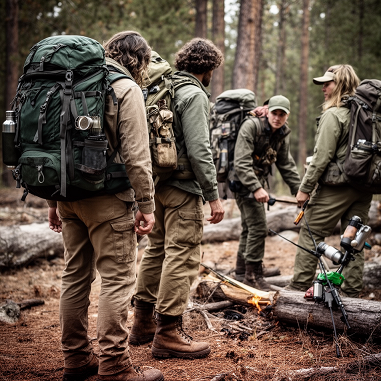
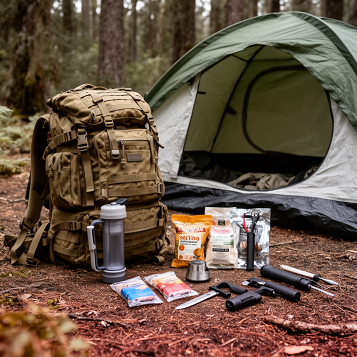
The Bottom Line: Your Backpack Is Your First Line of Defense
In a crisis, you don't get to go back for the right gear. You leave with what you have. That is why your backpack decision deserves serious thought, real research, and investment in quality — not the cheapest option on a shelf.
The right pack extends your endurance, protects your gear, and keeps you mobile when mobility is survival. The wrong one breaks you down before the real challenge even begins.
🎒 Don't Wait Until You Need It to Wish You Had It
Take action today. Browse our top-rated, prepper-approved backpack recommendations below — each hand-selected for durability, load capacity, weather resistance, and real-world survival performance. Whether you're building your first bug-out bag or upgrading a system that's let you down, the right pack is one click away.
The next emergency won't announce itself. Your preparation starts now.
Found this guide helpful? Share it with someone who's still sleeping on their preparedness. It might be the most important thing you do for them today.

0 Comments